Deep Dive
70 Years: The Dino V6, a one-of-a-kind Engine
In 1956 work began on the Dino V6 engine, later that year Enzo's son Alfredo 'Dino' Ferrari passed away but his work on Ferrari engines lives on today
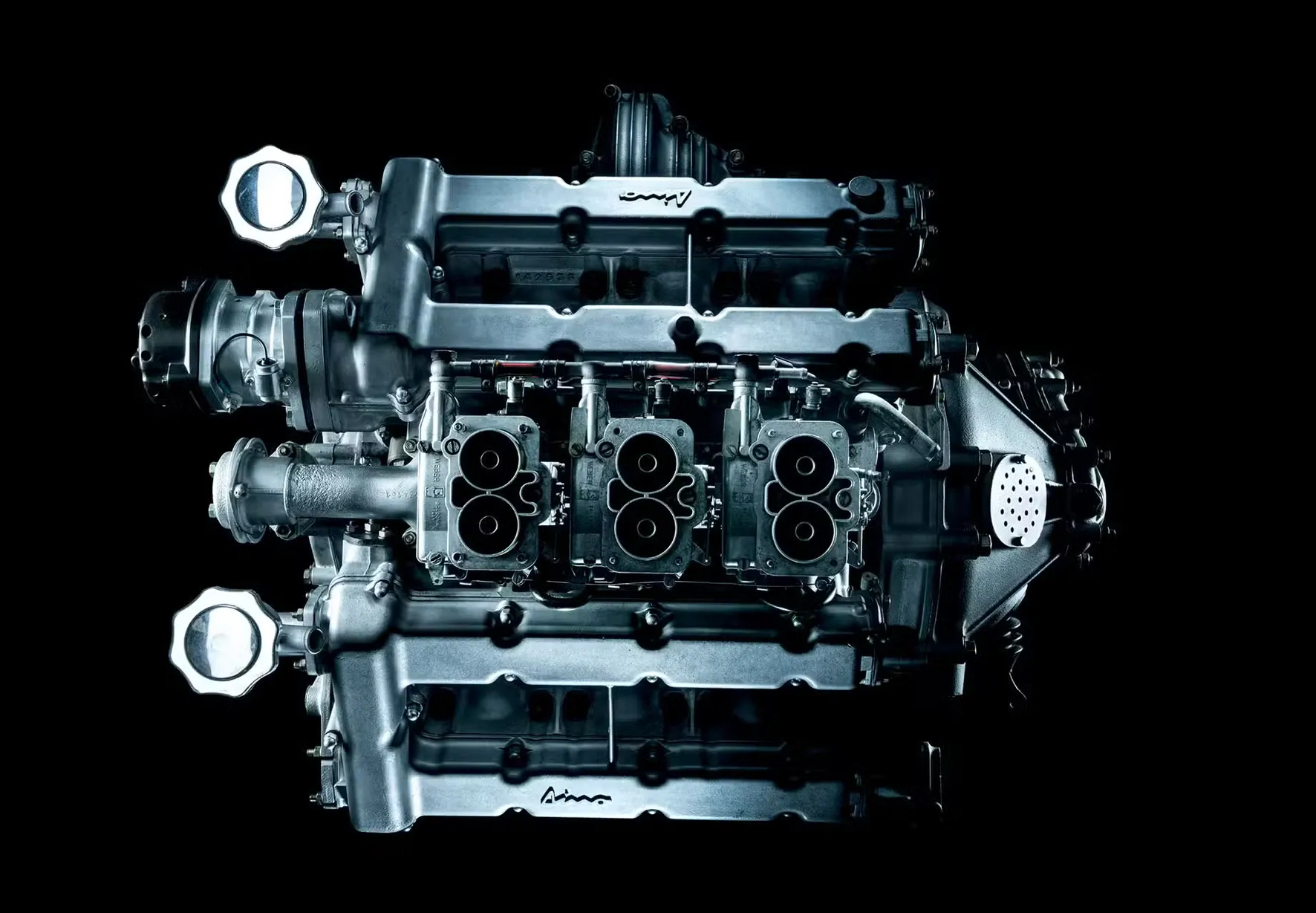
Ferrari was and still is known for its engines, particularly their V12. First with the Colombo and when more power and hence displacement was needed, the rather short lived Lampredi. Both named after the engineers that designed them Gioacchino Colombo and Aurelio Lampredi respectively. However, once Ferrari inherited Lancia’s racing effort following their pullout after the 1955 Le Mans crash, Vittorio Jano working alongside Enzo’s son Alfredo (simply referred to as Dino) began work on a V6 engine. Unfortunately Dino would never get to see the engine that bears his name, he fell ill and while in hospital he talked to Jano about technical details of the engine before passing away on the 30th of June 1956.
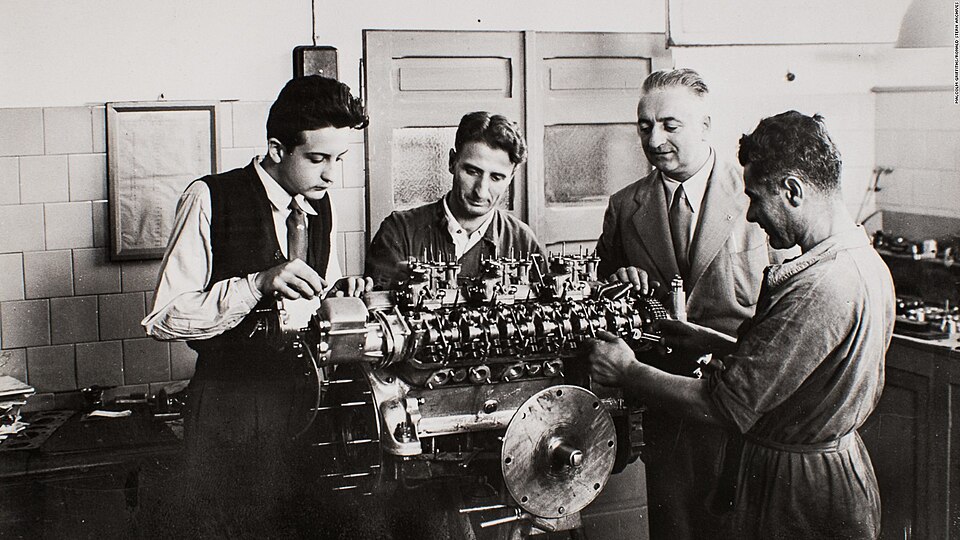
Without Dino himself, work continued and by the end of the year the first engine was running. This initial iteration, a 1.5L V6, was used in the 1957 Formula 2 series to meet the then new 1.5L displacement limit with moderate success. In its first race in Naples, it finished 3rd behind the two Lancia-Ferrari entries.
The world’s only 65° V6 - why?
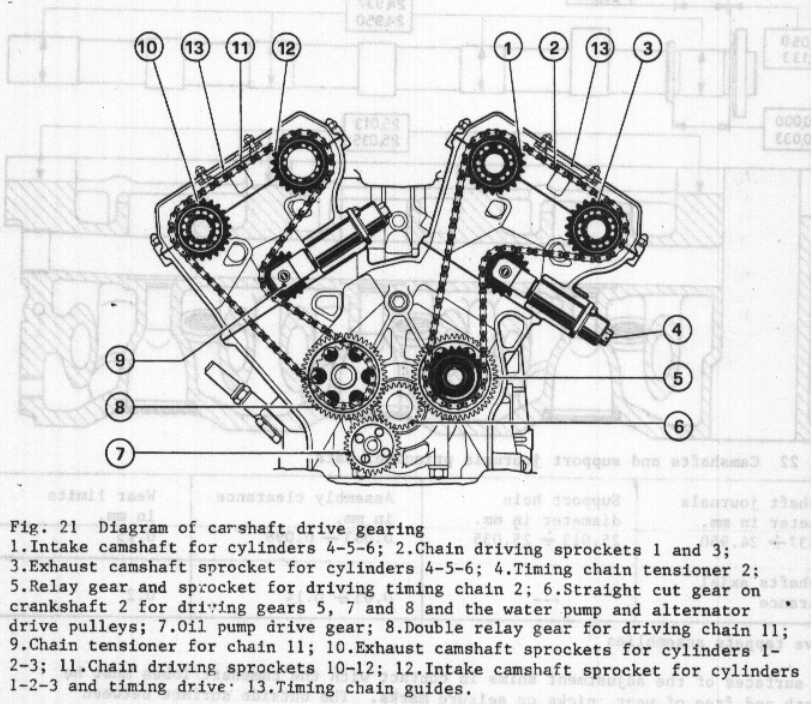
This took me a bit of time to get my head around, why deviate from the ideal 60° V6 and why by 5°? You are voluntarily weakening your crankshaft forcing offset pins to restore firing intervals and you’re adding imbalance to the engine. This is all true, but you see it’s a compromise. You may read often that it is to make the intake ports straight, in reality it’s to get them straighter; an engine is an air pump and the less you impede the flow the more effective it is at its job. We have been doing this for decades, Volvo machined cylinder heads for their BTCC entries to improve the valve angle, as metallurgy improved we saw thinner valve stems, intake port geometry is optimised by manufacturers or ported by machinists all for the sake of improving flow.
You have to assume Jano knew this and calculated that a 5° offset was a good balance between crankshaft performance and intake geometry.
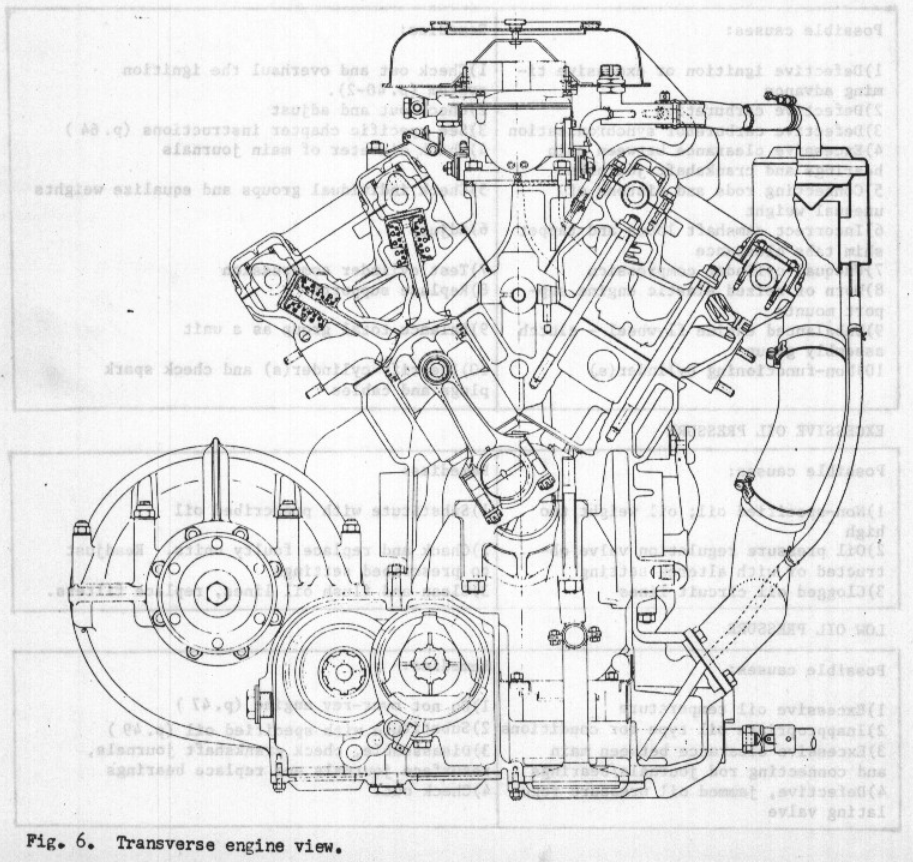
Interestingly to note, you’ll also see an odd timing arrangement. It is gear driven to separate bank gears, then by chain to the 2 camshafts on each bank. Not often done by other marques but Ferrari this carried all the way forward to more modern V12s although not always by chain. Note that the oil pump is gear driven as well.
The engines weren’t the only beautiful Dino named objects
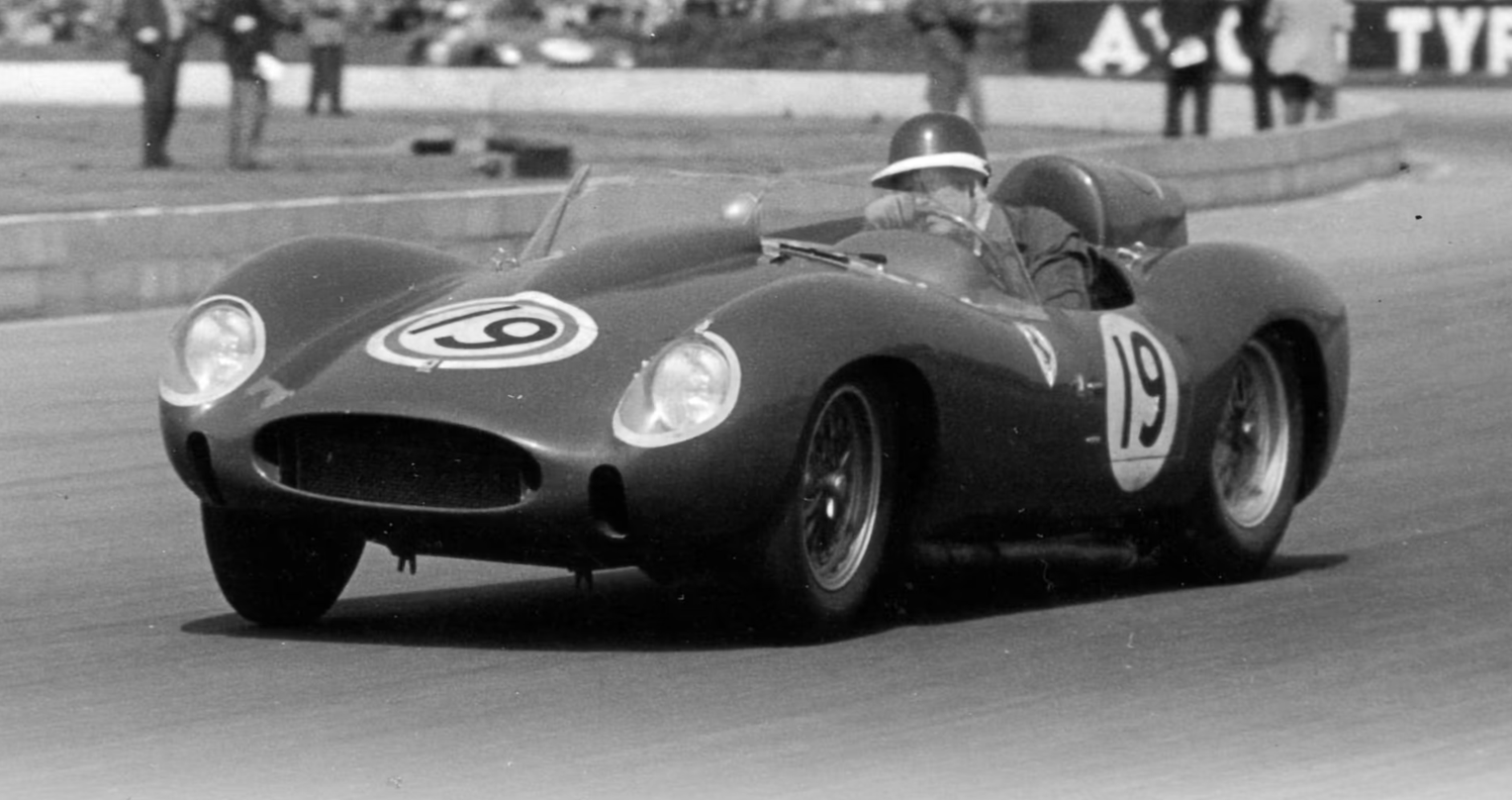
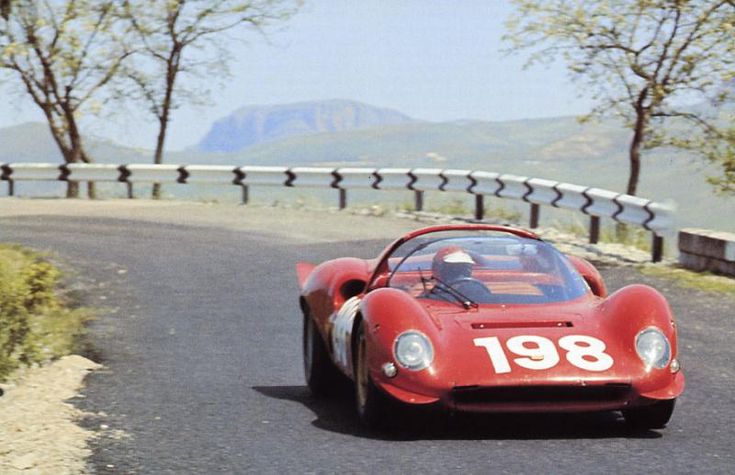
Although the engine started out for Formula 2 racing, a significantly larger 2.9L version ended up in the short-lived 1958 Ferrari Dino 296S, this raced once before being converted to a 250TR. After 1960, Formula 2 was no longer a 1.5L maximum and the engine was repurposed again for endurance racing with the 166P, before being converted to a 206SP used in hillclimb events. The 206SP was intended to compete in the Group 4 Sportscar class, requiring 50 roadgoing examples to be made. Maranello were only able to produce 18 206S’ and so had to contend with the 2.0L prototypes instead. These Drogo-bodied cars bear a striking resemblance to the 330 P3/4 in particular albeit much more diminutive. The 206S is a real dream car for me although I certainly wouldn’t fit.
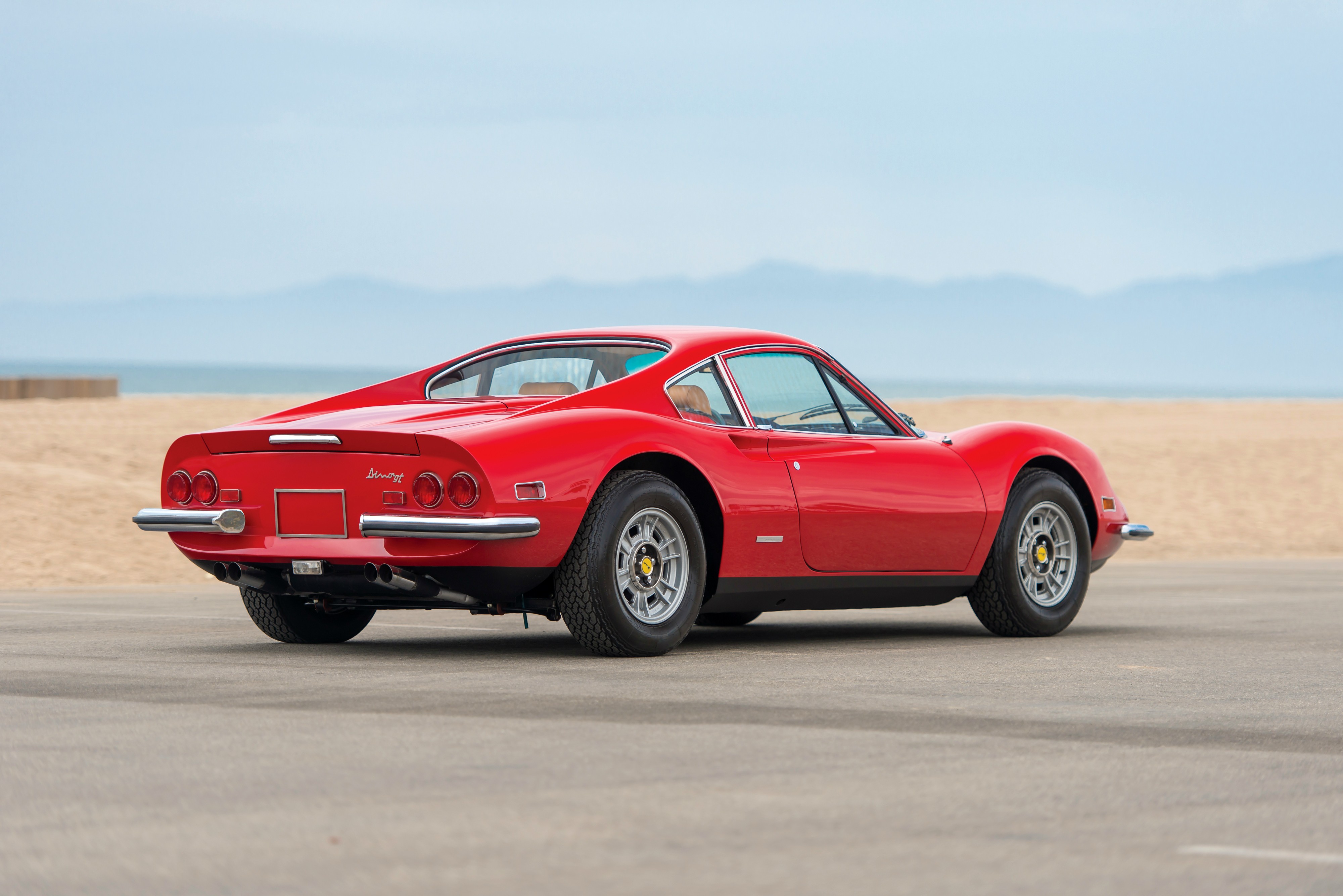
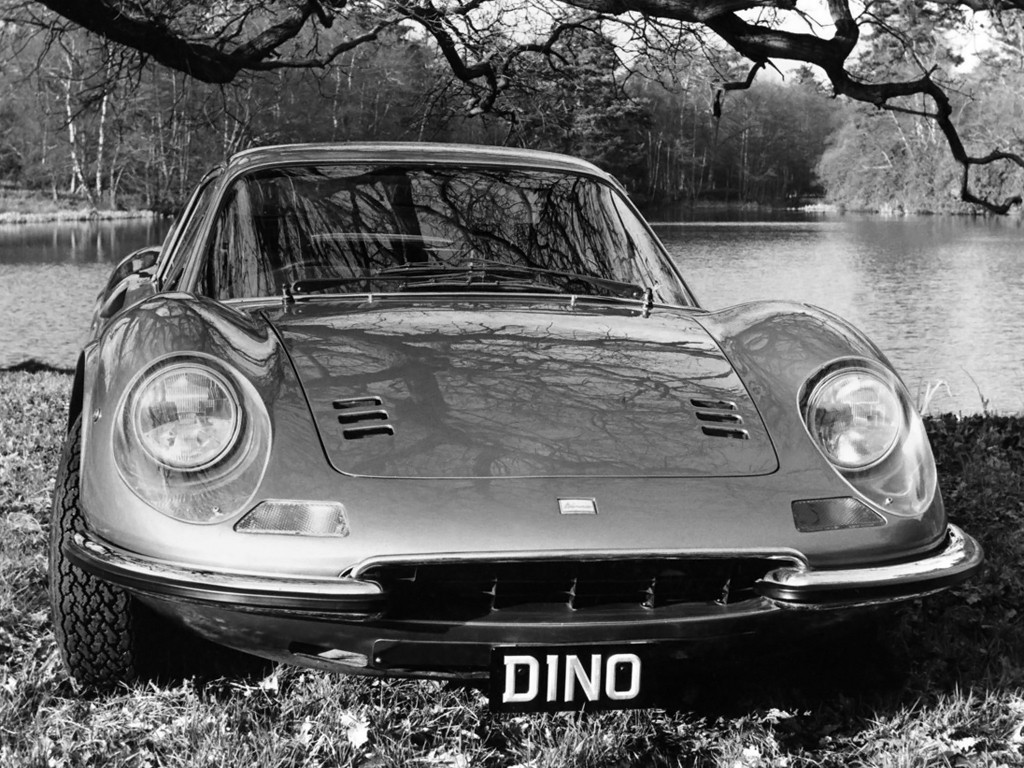
Most famously, these engines were used in the roadgoing Dino 206 GT and later the slightly longer-bodied 246 GT/S. Interestingly, the engines were built at the Fiat factory with even Fiat casting marks on the side. It wasn’t the only part not to bear Ferrari, the badging on the 206/246 GTs never came with the classic Ferrari lettering on it but importers into the UK added them onto the rear as well as offering covered headlights as an option. Predating both the 206 GT and 246 GT/S was the Fiat Dino, coming from the need for Ferrari to homologate a 1.6L engine for Formula 2 in 1967 as quickly as possible. The rules stated that the engine had to be based off of a roadgoing car of at least 500 units but it did not need to be the exact displacement as used by the road car.
The life of the Dino 65° V6 came to the end in the Lancia Stratos, a legendary story in its own right. However, the spirit of Dino lives on today in modern Ferrari V12s which share that same magical bank angle.