Deep Dive
The DB4: a true rival and brother to the Italian offerings
The punters choice, influenced by a certain spy, is the DB5 yet some DB4s are more valuable
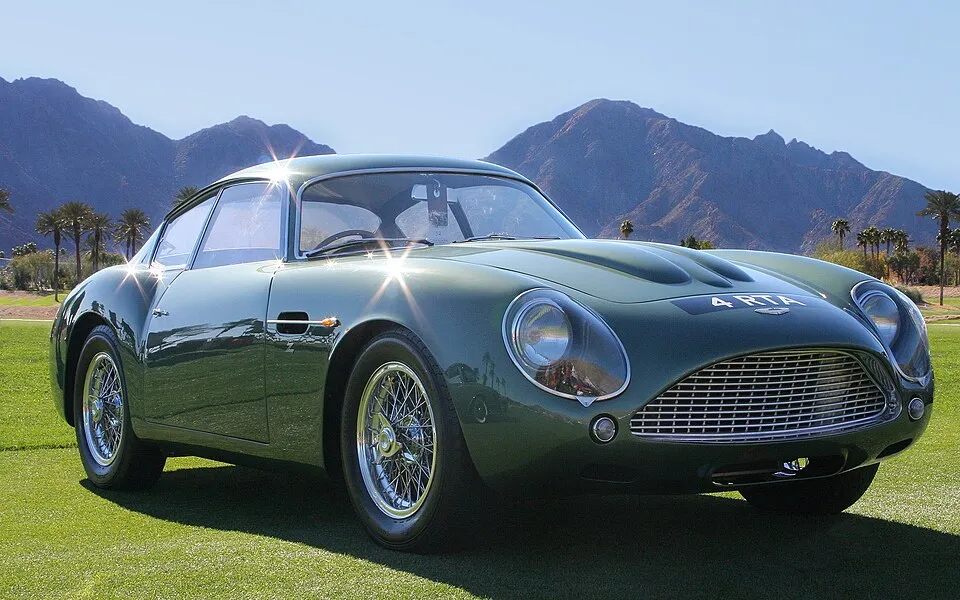
When the words Aston Martin are said to the average man, James Bond is shoved to the front of their mind. Most commonly the car they will think of is the DB5, and even with all its recognition, values reside much lower than some DB4s. Your first instict is rarity, maybe they made less DB4s? 1,204 examples of the DB4 in total were made to the 1,059 of the then-seen-as-dated DB5. Here I have played a trick though, the DB5 was just that, all of them looked near enough the same out the factory doors as intended by designers Carrozeria Touring Superleggera. The DB4 not at all, a run of 19 were bodied by the world renowned coachbuilder Zagato. To be specific, these were rebodied DB4 GTs, a version with a pepped up engine and a shorter wheel base of which there are 75 others bodied by the familiar Touring Superleggera. It is both of these that exceed most DB5s in value, even the particularly rare shooting brakes and Vantages. Knowing the numbers, it’s easy to see why. The offering from Zagato has the largest premium though, possibly from its achingly beautiful body (as were most from Zagato in this period) featuring a much more sculpted look, dropping the tail fins in favour of a rear closer in design to a 250 SWB. The 23 year old Ercole Spada took the signature Aston Martin grille and smoothed it out, the rest of the front received the same treatment giving a refined and quintisentially Italian look.
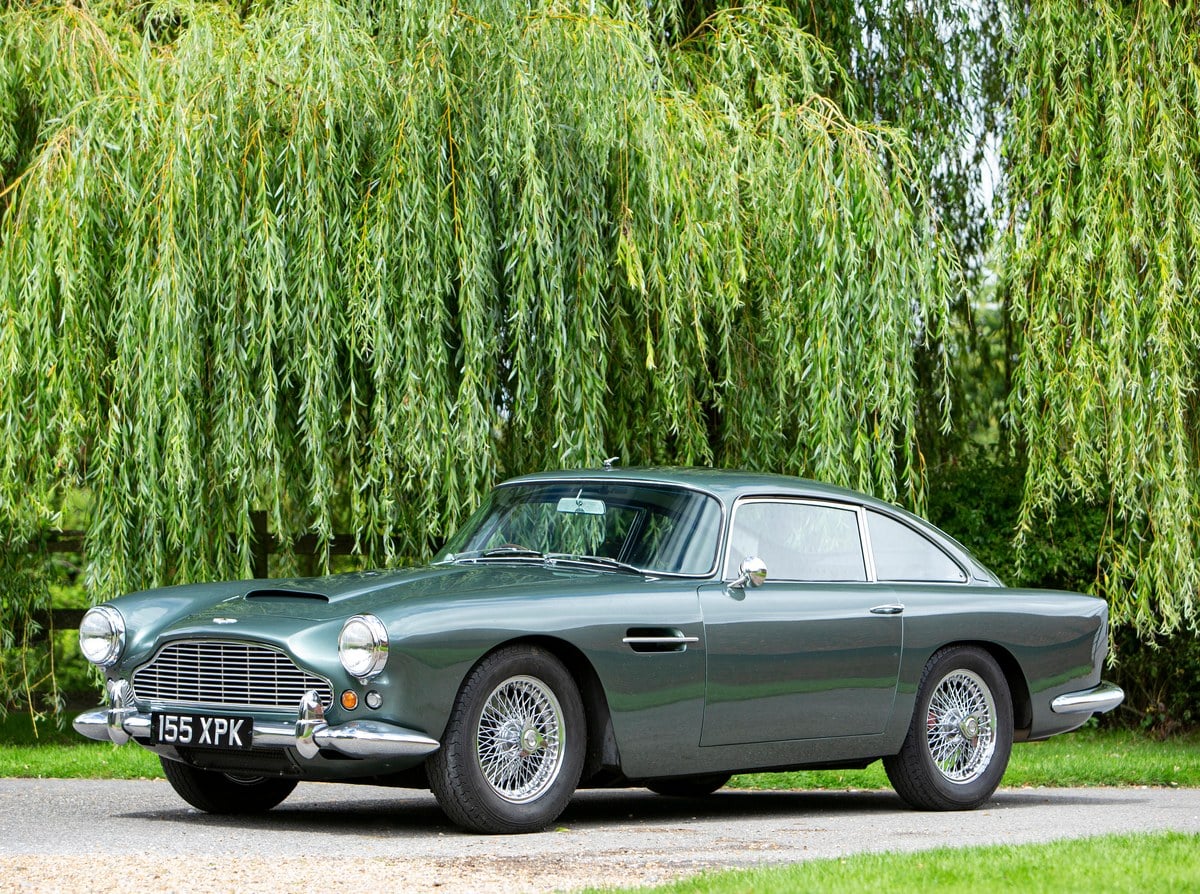
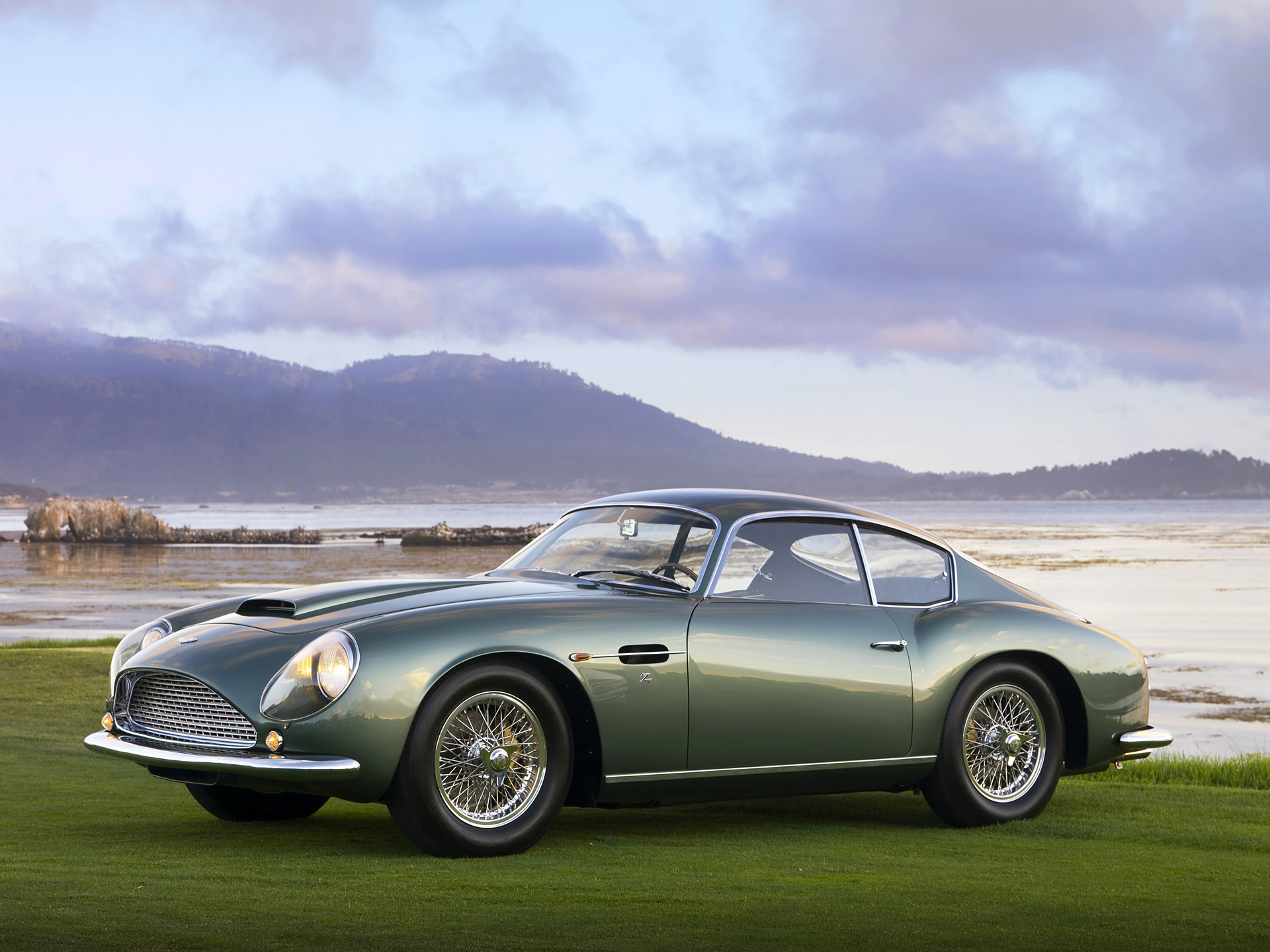
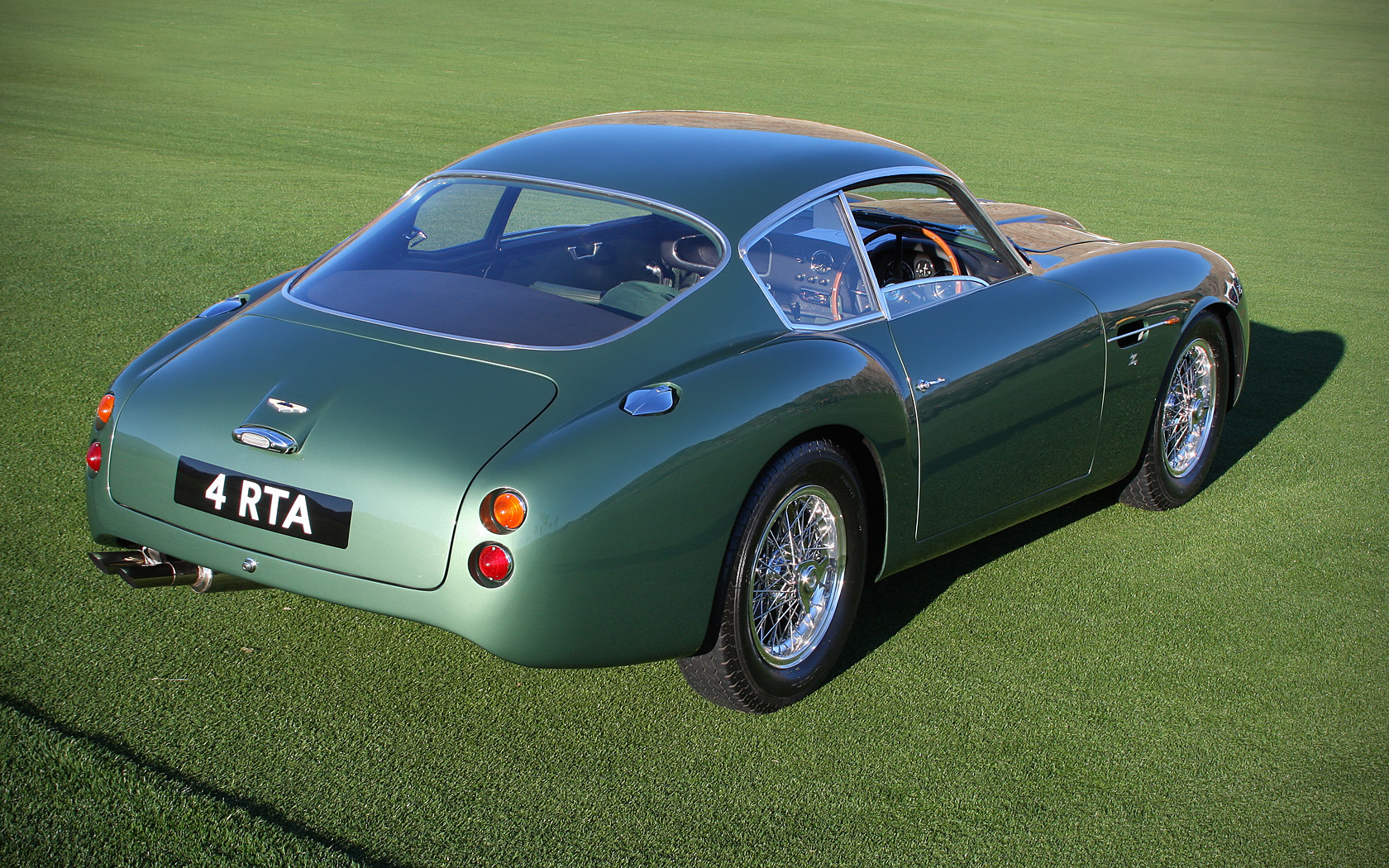
If you read the image captions, you’ll see all this series x stuff adding considerable complexity to the DB4 model. To explain with a modicum of brevity, Series I to III was minor, differences to the window frames between I and II, with III inheriting the changes for II and getting different tail lights. Series IV to V (including the GT and Vantage) acquire faired in headlights and are near identical to the DB5 visually, between IV and V though is a slightly larger cabin. The only real difference between DB4 Series V and a DB5 is the engine in which a displacement bump occurred and change of gearbox, moving to a ZF transmission giving 1 more speed.
The Zagato cars, the variation continues
To complicate things even more, the Zagato cars have their own system. Sanction I are the cars produced in period by Zagato, sanction II are 4 chassis numbers changed to GT specification and sent to Zagato in 1989 to be bodied. These are slightly different, being marginally shorter and wider and having some mechanical changes. Sanction III use left over bodies from the previous run and the modified chassis’ from two regular DB4s. A continuation run was done by Aston Martin in 2019 producing another 19 cars.
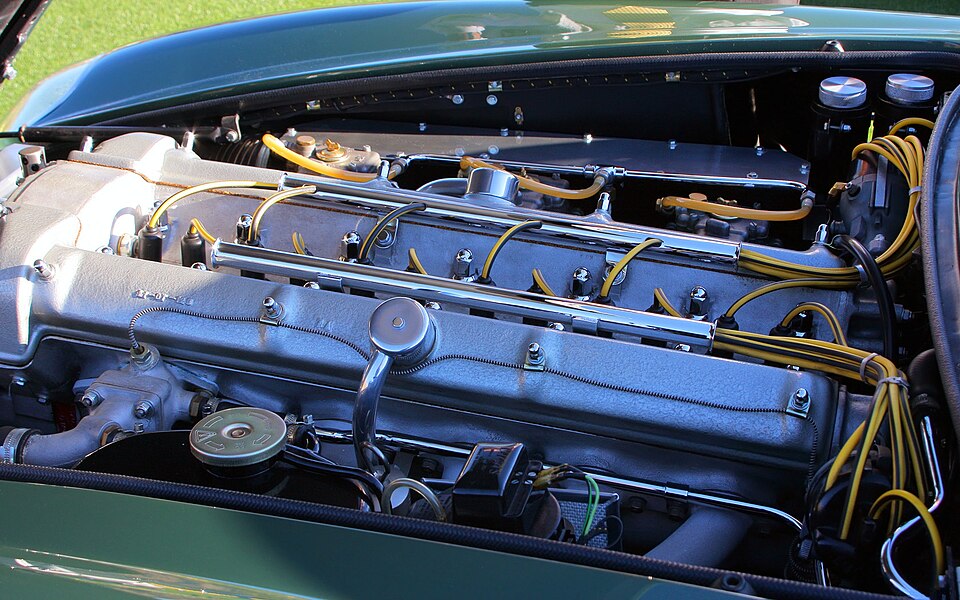
Focusing alone on the period cars, they predominantly had the triple carbureted 3.7L all-alumnium inline 6 engine allegedly producing 314hp, 12 more than the regular GT from a compression bump although thats heresay (contact me if you find any info on this). The body was not only pretty, nearly 100kg was dropped all in from interior and the smaller body in comparison to the DB4 GT. Weight was reduced again with John Ogier acquiring chassis’ 0182/R and 0183/R (wearing plates 1 VEV and 2 VEV respectively), two Zagato “lightweight” shaving 70kg from a drilled chassis and interior scrimping. Incredibly the lightweighting efforts didnt end there, the “Super lightweight” were another 2 examples, one to replace Ogier’s destroyed 0183/R inheriting the same chassis number to avoid taxes and another 0193/R to Jean Kerguen. This was done by making the body even lighter and more streamlined, a new chassis design, updated suspension and some magnesium bits. All this resulting in another 70kgs dropped bringing the figure from the already light 1171kg from the standard GT Zagato down to just 1030kg.
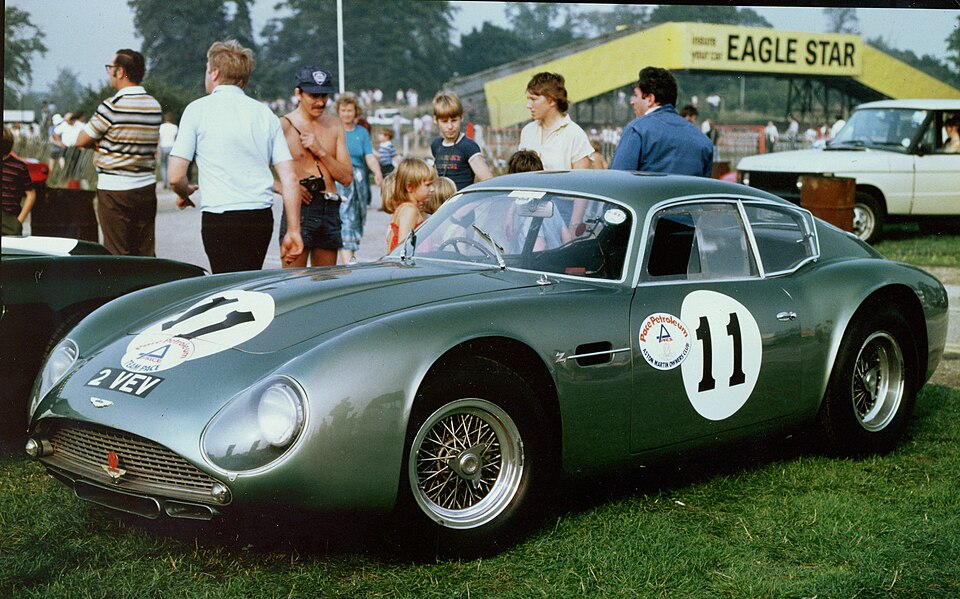
Unfortunately, it wasn’t able to best the Italians who seemed to always pip them to the post. In 1961 its debut around Goodwood piloted by Stirling Moss, it finished behind a regular DB4 GT and the 250 SWB of Mike Parkes and Maranello Concessionaires. Neither of Ogier’s or Kerguen’s cars finished Le-Mans that year either, despite these failures subsequent outings at various circuits yielded moderate success generally finishing around the edge of the podium most of the time with a few occasional wins.