Opinion
The Audi A2, the finest failure to come under Piech
Audi's first all aluminium hatchback stands as a unique abberation in the history of commuter cars
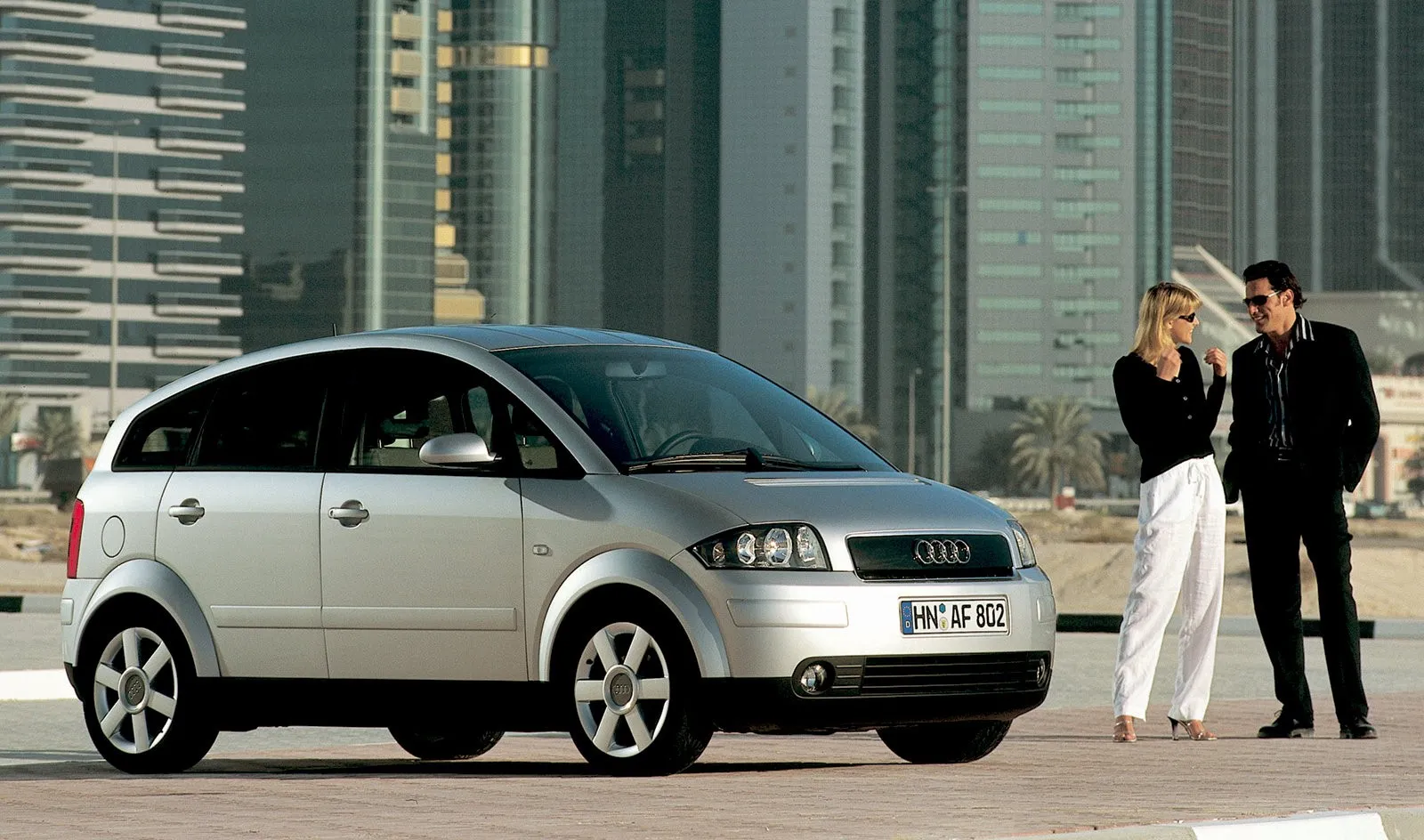
Photo: Audi Press
The Audi A2 started life as a concept car revealed in Frankfurt in 1997. The Al2 bears a striking retro-futuristic resemblance to the production version launched only 2 years later. Following from Audi’s all-new aluminium A8, the A2 was the second production vehicle to bear Audi’s “Aluminium Space Frame” (ASF) marketing. In reality the only part of that marketing term that is true is the aluminium bit, it is in no way a space frame but the engineering behind it is spectacular either way. The aluminium body it was given was also unbelievably aerodynamic, matching the gen 1 Honda Insight in some trims.
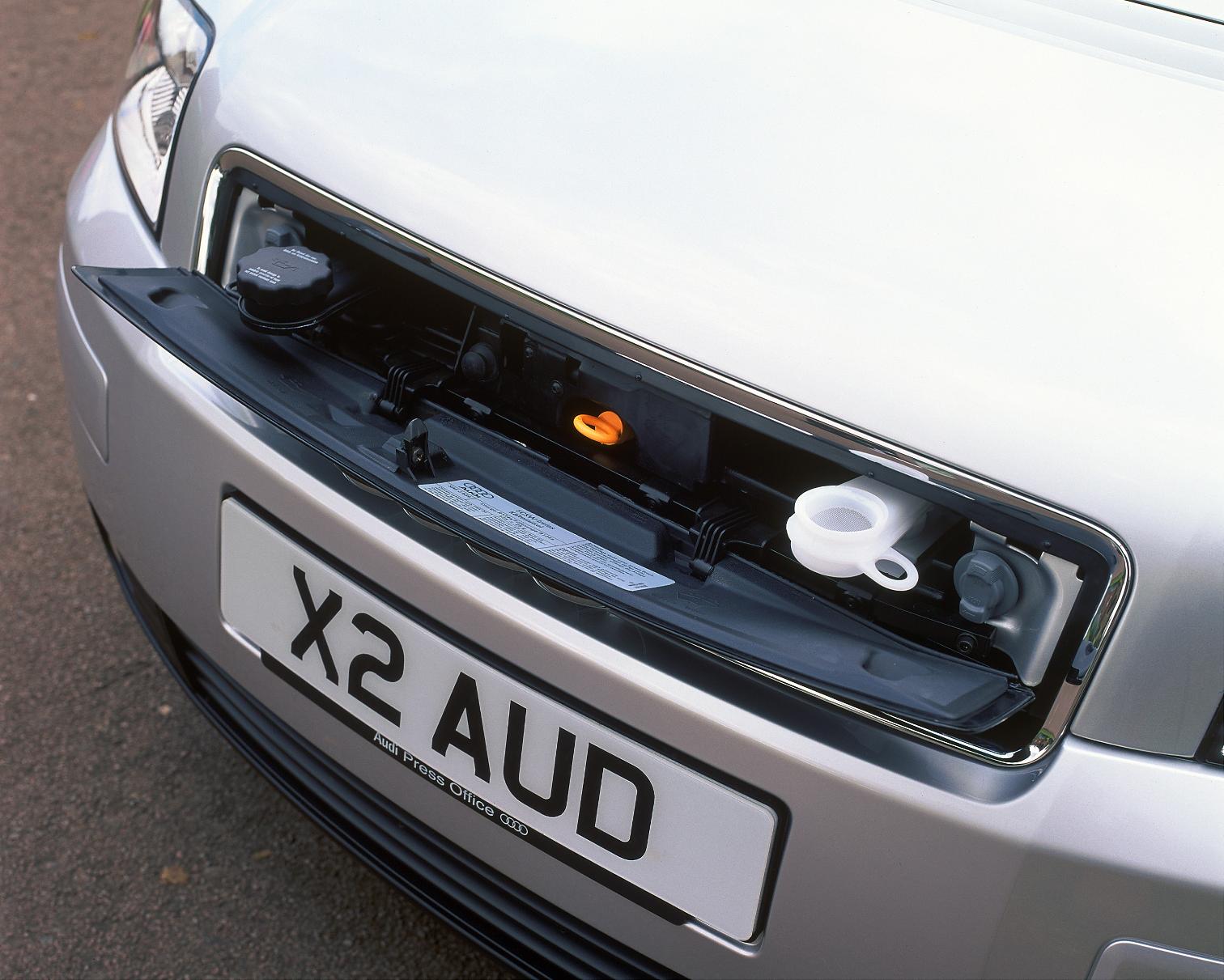
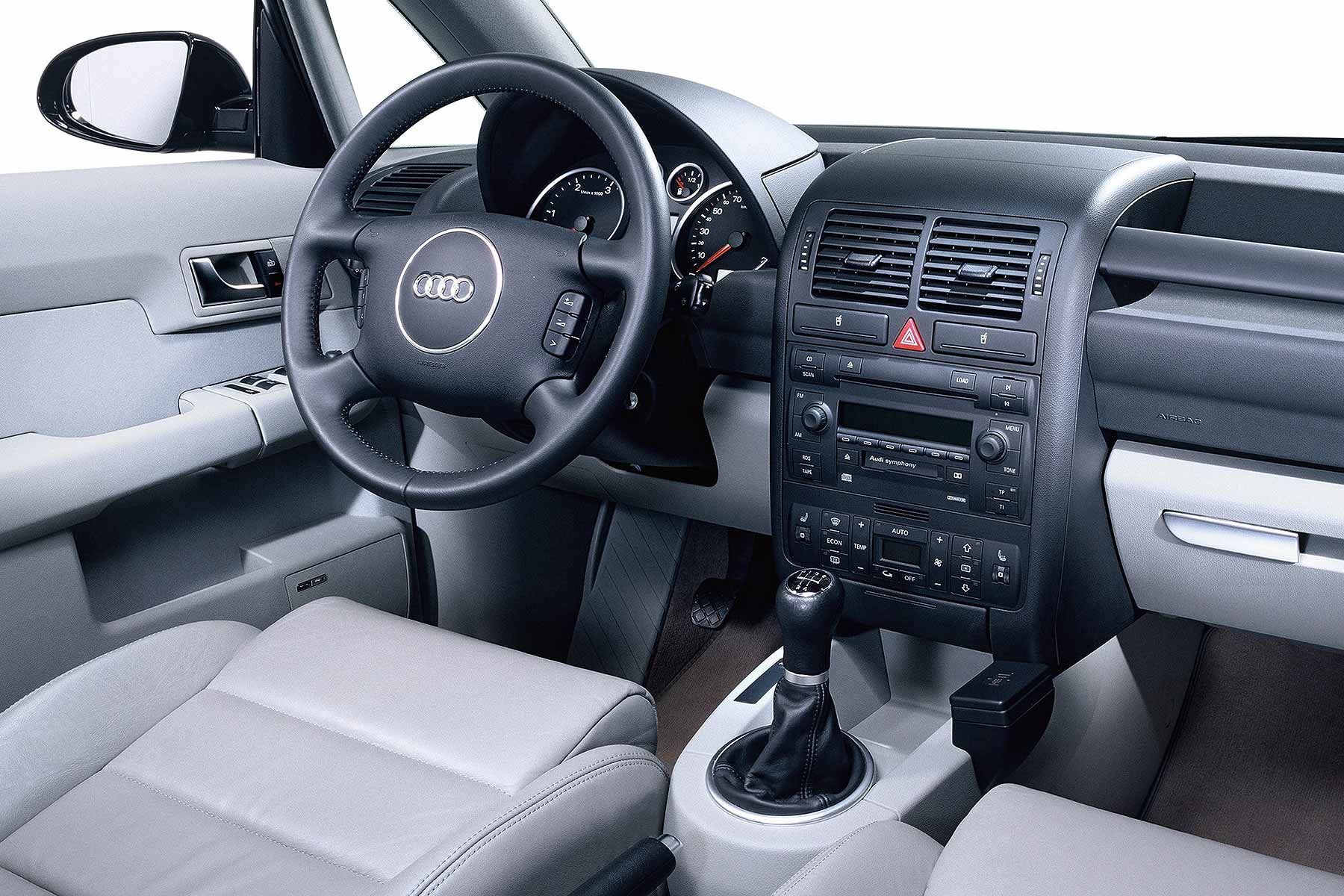
Inside the magic doesn’t end, its actually rather tardis like. At 6ft6 I could comfortably drive the A2 and still fit a small person behind me all with a boot the large enough to go on holiday for a family of 4. Interestingly if you ask Audi how many people fit in the A2, their answer is “depends”. This is due to the rear bench being a 2 seater or a 3 seater depending on spec. Spec is also an interesting point, Audi described the car as “a small Audi, not a cheap Audi” unlike its fellow german competitor, the Mercedes A-Class which is unambiguously a cheap car pricewise and engineering wise. All of this spacious magic comes with a price, the engine bay is rather cramped. For example, the top struts of the suspension are tucked beneath and behind the bottom of the windscreen and so are a real pain to access. The weirdness up front continues, to access the engine in the first place requires pulling a lever on the driver’s side giving access to a flap with 2 spring loaded screws (As well as access to an oil and washer fluid top up). These open and allow you to remove the entire bonnet as 1 peice rather than the more conventional hinged mechanisms you’d normally find.
Another quirk of the A2 not often mentioned is that in the rain, the roof is so thin and resonant that its actually quite loud in comparison to a regular car.
The engines, regular on the outside
The A2 came with surprisingly regular engines, a 1.4L and 1.6L petrol 4-cyl from the Golf Mk6 and Mk4 respectively, both 4 valves per cylinder. The 1.6L I’d argue is the wrong choice as they tend to suffer from a coolant pipe failure hilarously nicknamed the “death pipe” as well as being a much heavier grey cast iron block. Both of these having a very crisp gearbox in feeling, uncommon for transverse FWD cars.
The magic happens on the diesel side, an unremarkable SOHC 1.4L 3-cyl was offered but the star of the show is the 1.2L 3-cyl which i’ll talk more on in the next section.
The magnum opus of the A2
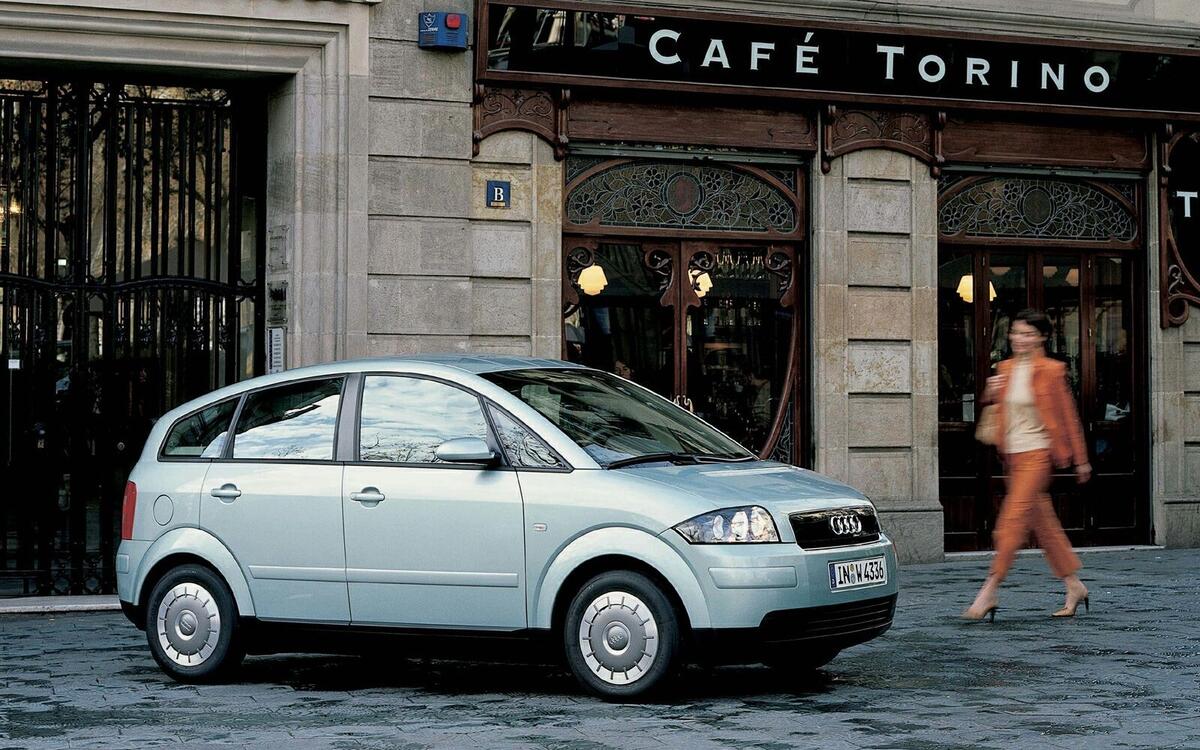
The “3L” variant used that magical and light 1.2L TDI engine, producing a frankly pathetic 60hp. It isn’t magical in its power more so its efficiency. This tiny engine was dropped into a special version of the A2 with thinner tyres, sharing the Lupo 3L’s specially designed gearbox, thinner glass, lighter seats and tiny 14” magnesium wheels. All of this is starting to sound like a Porsche options list that could bankrupt a small nation. The first iteration of the 3L had no options allowed, except one which was body coloured door handles and mirrors. Later the Germans in Neckarsulm decided they would allow some markets to get one with a few more options like AC or a winter package. Both of these versions were able to match the holy grail figure of 3L of diesel per 100km traveled, a target set by Ferdinand Piech and achieved first in the Lupo 3L.
All of this sounds so good, why dont I see more of them?
It comes down to 2 major points:
- Price It was far more expenive than the barely comparable A-Class, even with Audi losing money on each one.
- Looks These are a real Marmite car, the tardis-giving proportions are somewhat of its downfall. Personally I do like it.
Looking back on it more than 25 years later, it is starting to get the love it deserves. People have imported them into the US and I think they will end up standing the test of time.